
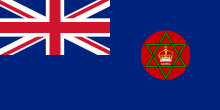
A full map of the Igbo and Nigerian relationship with Britain — from the colonial encounter to the contemporary diaspora.
I. The Colonial Encounter: How Britain Made Nigeria
Britain's relationship with the territory that became Nigeria began with the slave trade — British ships were among the most active in the Bight of Biafra trade from the 17th century onward — and was transformed by the abolitionist movement into a colonial project that combined commercial interest with a self-legitimating humanitarian mission. The Royal Niger Company, chartered in 1886, established commercial monopoly over the Niger River trade. The British Protectorate of Southern Nigeria (established 1900) and the Protectorate of Northern Nigeria (established 1900) were merged by Frederick Lugard into the Colony and Protectorate of Nigeria in 1914 — creating, without consultation with any of the peoples concerned, the political entity that Nigerians have been living within ever since.
The specific British impact on Igboland was profound and lasting. The military conquest — the Aro Expedition of 1901–1902 that destroyed the Aro Chukwu oracle, and dozens of subsequent "pacification" operations — imposed British authority by force. The warrant chief system imposed a form of political authority (a single chief with coercive power) that was structurally incompatible with Igbo political tradition and generated the resistance that culminated in the Women's War of 1929. Missionary Christianity — the Church Missionary Society established its first permanent Igbo mission in 1857; the Roman Catholic Holy Ghost Fathers followed — transformed religious life, education, and social organisation. The government school system, particularly Government College Umuahia (founded 1929), produced the generation that would lead Nigerian independence and define Igbo cultural life in the 20th century.
II. The Independence Transition and Britain's Legacy
Nigerian independence on 1 October 1960 was a negotiated transition in which Britain's primary interest was maintaining its economic and strategic position in the new state. The constitutional settlement — a federal structure with three regions whose boundaries and powers reflected British administrative convenience rather than the political interests of Nigeria's peoples — embedded the structural inequalities that produced the Biafra war. The north, with its larger population and British-preserved Caliphate structure, was positioned to dominate the federation. The Igbo and other southern peoples, with their higher levels of Western education and commercial development, were positioned as junior partners in a system tilted against them.
Britain's conduct during the Biafra war was the most consequential expression of its post-colonial relationship with Nigeria. The Harold Wilson government supplied arms to the federal government throughout the war — rifles, armoured vehicles, ammunition — while publicly maintaining that it was pursuing a peaceful settlement. The supply of arms to a government conducting a food blockade against a civilian population of 14 million people — a blockade that killed between 500,000 and 2 million people, the majority of them children — was one of the most morally indefensible acts of British post-colonial foreign policy. The parliamentary debates of 1968–1969, in which a minority of MPs including Michael Foot and Hugh Fraser argued strenuously against the arms supply, are an important record of the resistance to this policy within Britain itself.
III. The Nigerian Diaspora in Britain
Nigerians have been present in Britain since at least the 18th century — Equiano lived and published his autobiography in London; the Sons of Africa, of which he was a member, operated in London. But large-scale Nigerian migration to Britain began after World War II and accelerated dramatically after Nigerian independence in 1960. The Biafra war and its aftermath produced a significant refugee and exile community in Britain. The economic crises of the 1980s and 1990s produced a much larger wave of labour migration. The contemporary Nigerian diaspora in Britain numbers approximately 250,000–300,000 people, making it one of the largest African diaspora communities in the country.
The Igbo component of this diaspora is substantial and disproportionately prominent in professional and commercial life. Igbo doctors, lawyers, accountants, academics, engineers, and businesspeople are found across Britain, concentrated in London but with significant communities in Birmingham, Manchester, Leeds, and other major cities. Igbo community organisations — the Igbo Union UK, town development unions, church communities (particularly Pentecostal and Catholic), and Ohanaeze Ndigbo UK — maintain cultural and social networks that sustain Igbo identity in the diaspora while connecting diaspora members to their home communities.
IV. Britain and the Contemporary Igbo Self-Determination Question
The British government's position on Igbo self-determination has been consistent: support for Nigerian unity and federal government authority, opposition to secessionist movements. This position reflects both the legacy of the Biafra war — in which Britain actively supported the federal government — and current British commercial and diplomatic interests in Nigeria, which remains Britain's largest African trading partner and one of its most significant diplomatic relationships on the continent.
IPOB has a significant presence in the UK diaspora and has conducted demonstrations outside the Nigerian High Commission in London and at other British public venues. Nnamdi Kanu held British citizenship before his 2021 re-arrest in Kenya. The British government has called for his fair trial but has not taken substantive diplomatic action on his behalf. The tension between Britain's formal commitment to human rights and its practical commitment to the Nigerian federal government is a recurring feature of this relationship — and one that the Igbo diaspora in Britain has persistently highlighted.