The Igbo community in the United Kingdom — one of the largest and most dynamic Igbo diaspora communities in the world, with roots in the colonial period and a contemporary presence in every major British city.
Historical Roots
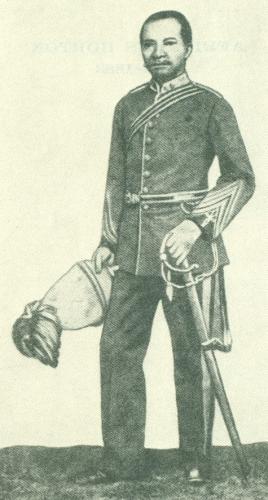
The Igbo presence in Britain has roots in the colonial period — in the students, professionals, and political figures who came to Britain for education and political engagement from the late 19th century onward. James Africanus Horton studied at King's College London and the University of Edinburgh in the 1850s. Nnamdi Azikiwe studied in the United States but spent significant time in Britain as a political figure and later as President. The generation of Igbo students who came to British universities in the 1940s and 1950s — during the nationalist period — laid the foundations for the professional and business networks that the post-independence diaspora would build on.
The Biafra war of 1967-1970 produced the first significant wave of Igbo settlement in Britain. Igbo who had been living and working in other parts of Nigeria fled during the war; those with British connections — students, professionals, those who had worked for British companies — often came to Britain. The post-war period brought more: Igbo professionals seeking opportunities that post-war Nigeria's damaged economy could not provide, students on government and private scholarships, and families following earlier migrants.
Contemporary Community
The contemporary Igbo community in the UK is estimated at between 200,000 and 500,000 people — the range reflects the difficulty of counting a community that includes British citizens of Igbo descent across multiple generations as well as recent migrants. The community is concentrated in London (particularly in Peckham, Woolwich, Lewisham, and the boroughs of southeast and east London), but has significant populations in Birmingham, Manchester, Leeds, and other major cities.
The UK Igbo community is characterised by high levels of educational attainment and professional achievement. Igbo professionals are disproportionately represented in the NHS (as doctors, nurses, and other healthcare workers), in law, in accountancy, in banking, and in the tech sector. This achievement pattern reflects both the Igbo cultural emphasis on education and the specific migration history — early migrants were often selected for their professional qualifications.
Cultural Life and Organisations
The Igbo community in the UK maintains an active cultural life through a network of town unions (hometown associations that connect UK-based Igbo to their specific communities of origin in Nigeria), professional associations, church communities (predominantly Pentecostal and Catholic), and cultural organisations. The Ohanaeze Ndigbo UK chapter — the UK arm of the main pan-Igbo socio-political organisation — coordinates community advocacy and representation.
The New Yam Festival is celebrated annually by Igbo communities in London and other UK cities, typically in August or September, drawing thousands of Igbo and Igbo-diaspora people for a day of cultural celebration, community reunion, and traditional ceremony adapted to the British context. These festivals serve simultaneously as cultural celebrations, business networking events, and occasions for transmitting Igbo cultural knowledge to second and third-generation British-Igbo who may have limited other contact with Igbo tradition.
The British-Igbo Generation
The most significant development in the UK Igbo community in recent years is the emergence of a substantial second and third generation — people born and raised in Britain, of Igbo heritage, navigating a dual identity that is neither straightforwardly British nor straightforwardly Igbo but something new. This generation is producing writers, artists, musicians, entrepreneurs, and professionals who draw on both their British formation and their Igbo heritage. The question of what it means to be British and Igbo — how to maintain connection with Igbo language, culture, and community while being fully formed by British education, British popular culture, and British civic life — is one of the central questions of contemporary British-Igbo identity.