
The Middle Passage — the crossing from Africa to the Americas in the hold of a slave ship — the central trauma of the Atlantic slave trade and the experience that shaped the African diaspora.
What the Middle Passage Was
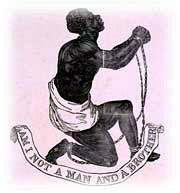
The Middle Passage was the second leg of the triangular trade route: ships departed European ports carrying trade goods to West Africa; exchanged those goods for enslaved people at the African coast; crossed the Atlantic to the Americas (the Middle Passage); sold the enslaved people and loaded colonial commodities — sugar, tobacco, cotton, rum — for the return to Europe. The Middle Passage was "middle" geographically and commercially. For the people enduring it, it was total: the crossing from the world they had known into a world that had no place for them except as property.
The crossing took between three and twelve weeks depending on the ship, the winds, and the destination. The enslaved were packed into the hold below decks at densities that the Slave Voyages database calculates produced average mortality rates of 12–15% per voyage — meaning that roughly one in eight people who boarded a slave ship in Africa died before reaching the Americas.
The Physical Experience
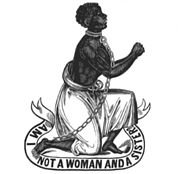
Equiano's account of the Middle Passage in his Interesting Narrative (1789) is the most widely read first-person description in any language. He describes entering the hold of the ship and being overwhelmed by the smell — the accumulated waste, sweat, and sickness of hundreds of people confined in a space designed for cargo. He describes the groaning of the sick and dying, the screaming of those who had lost their minds, the flogging of those who refused to eat. He describes his own certainty, as a child who had never seen white people before, that he was about to be eaten.
Resistance on the Ships
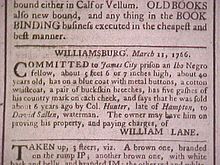
Resistance on slave ships was constant, varied in form, and systematically punished. The most dramatic form was shipboard revolt — the enslaved taking control of the vessel. The Slave Voyages database records approximately 500 documented shipboard revolts across the history of the trade. The Igbo were documented across the Atlantic world as particularly resistant to enslavement. The ship records from the Bight of Biafra reflect this: Igbo captives were more likely to refuse food, more likely to attempt resistance, and more likely to die by their own hand than captives from some other regions.
The Demographic Impact on Igboland
The removal of approximately 1.6 million people from the Bight of Biafra over two centuries had profound consequences for the communities they came from. Demographic modelling suggests the trade removed a disproportionate share of young adults — the people in their prime productive and reproductive years — creating population imbalances that distorted age-sex ratios, reduced agricultural output, and weakened community social structures.
Memory and the Middle Passage
The Middle Passage created an enforced forgetting — the systematic destruction of African cultural memory. The contemporary recovery of Middle Passage memory — through the Slave Voyages database, through DNA testing, through heritage tourism — is one of the most significant cultural projects of our time: the reconstruction of a history that was systematically destroyed, from the fragments that survived.