
A full map of the Atlantic slave trade as it affected the Igbo — from the internal African mechanisms that fed the trade, to the Middle Passage, to the diaspora, to the long aftermath.
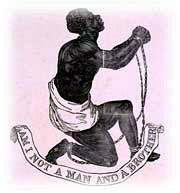
I. Before the Europeans: Internal African Slavery
Slavery existed in Igboland before the Atlantic trade. Domestic slavery — the holding of people as dependants within households, typically war captives, debtors, or those convicted of serious offences — was a feature of Igbo social organisation as it was of most complex societies in West Africa. The ohu (domestic slave) occupied a recognised social position: subordinate, but not without rights or the possibility of eventual integration into the family. This form of slavery was categorically different from the Atlantic trade in its scale, its brutality, and its intent.
II. How the Trade Worked: The Aro Network and the Coast
The Atlantic slave trade operated through the Aro trading network, centred on the Aro Chukwu oracle at Arochukwu. The Aro supplied enslaved people to the coastal ports through oracle judgments, military raids by allied warrior groups (the Abam and Ohafia), and outright purchase. From Arochukwu, enslaved people were moved to the coast — primarily to Calabar on the Cross River and Bonny on the Niger Delta — where they were held in barracoons before being loaded onto European ships.
III. The Numbers
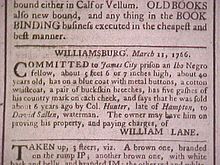
The Slave Voyages database records approximately 1.6 million enslaved people exported from the Bight of Biafra between approximately 1650 and 1850 — the third-largest source region in the entire Atlantic slave trade. The destinations were primarily the Caribbean: Jamaica, Barbados, Trinidad, and Cuba received the largest numbers, followed by North America, primarily the Carolinas, Virginia, and Maryland.
IV. The Middle Passage
The crossing from Africa to the Americas produced average mortality rates of 12–15% per voyage. Enslaved people were chained below decks, unable to stand, in crossings lasting three to twelve weeks. Disease — dysentery, smallpox, ophthalmia — killed at rates that ship captains factored into their commercial calculations. Resistance was constant: revolts, hunger strikes, attempts to jump overboard. Equiano's account — written by an Igbo man who lived it — is the human face of what the Slave Voyages database records as a commercial transaction.
V. Resistance
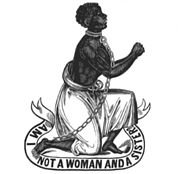
The Igbo were documented across the diaspora as particularly resistant to enslavement. Slave-owner manuals in Virginia and Jamaica specifically warned against purchasing Igbo. The Igbo Landing of 1803 in Georgia — where a group of newly arrived enslaved Igbo walked into Dunbar Creek singing rather than submit — is the most celebrated act of resistance in the history of the Atlantic slave trade.
VI. The Long Aftermath
Abolition did not end the consequences of the trade. For the diaspora: legal segregation, racial terror, structural poverty, and the erasure of African cultural identity. For Igboland: demographic disruption, distorted social structures, and colonial conquest within decades of abolition. The two things were connected: the destabilisation that the trade caused made the Igbo more vulnerable to the British conquest that followed.